How Modern Technology Improves Termite Control Services
@rowanohhu969
November 10, 2026 · 14 min read
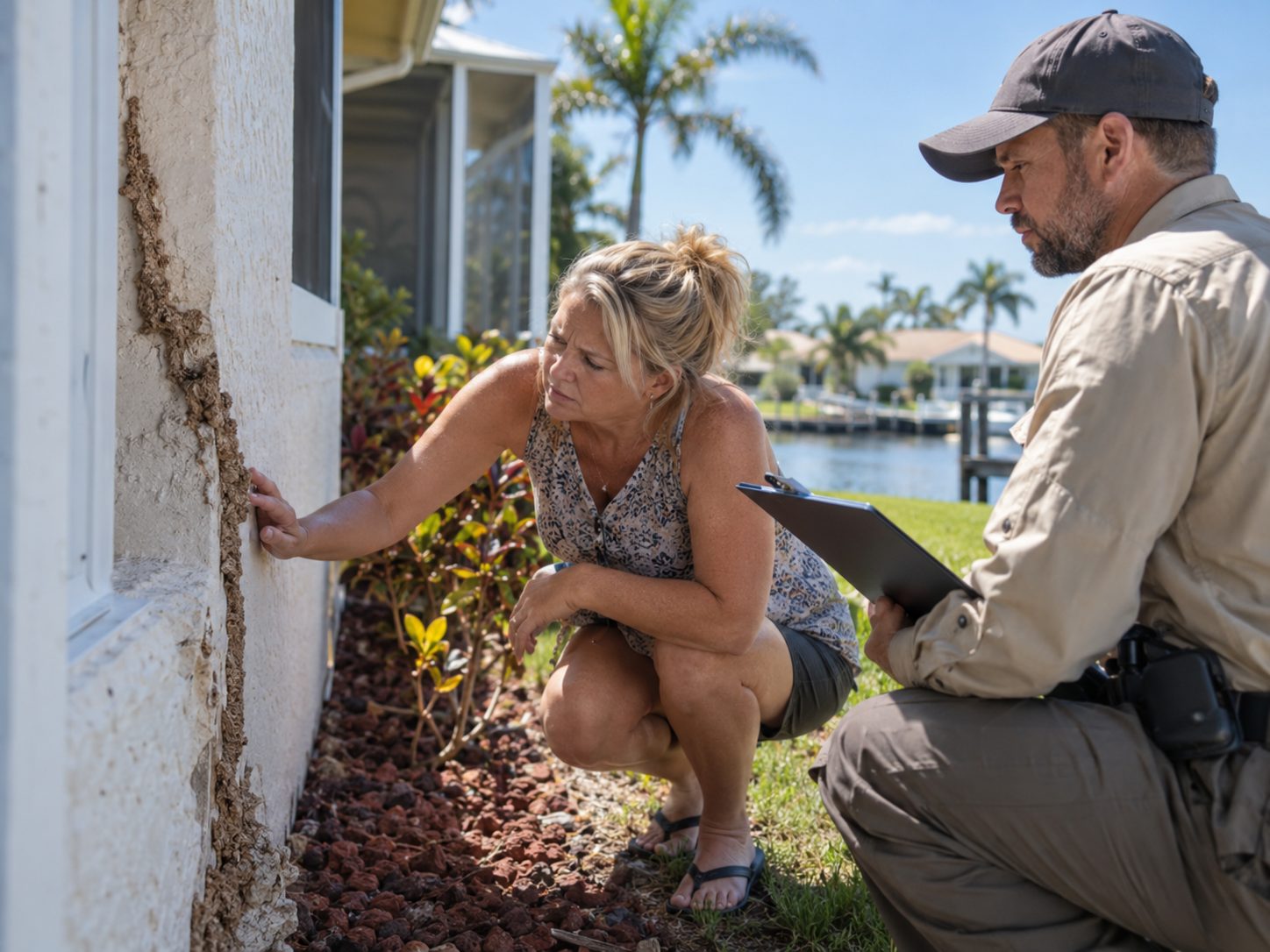
Termites still do what they have always done. They follow moisture, find cellulose, stay hidden, and eat patiently. What has changed is the way professionals detect them, map their movement, select treatment methods, and verify results. That shift matters because termite damage rarely begins with obvious signs. By the time a homeowner notices blistered paint, pinholes in drywall, or a hollow-sounding baseboard, the colony may have been active for months or even years.
Older termite work often depended on sharp instincts, a flashlight, a probing tool, and experience with local building styles. Those tools still matter. A seasoned technician can learn a great deal by reading mud tubes, moisture patterns, and wood damage. But modern technology has improved the accuracy and speed of the work. It helps pest professionals make better decisions, and it gives property owners a clearer picture of what is happening behind walls, under slabs, and around foundations.
For anyone comparing Termite Control Services, the difference is not just convenience. Better tools can mean fewer missed hotspots, more targeted applications, stronger monitoring, and less disruption to the property. The best companies combine technology with field judgment, because termite work is one of those trades where data helps most when it is interpreted by someone who knows what it means on the ground.
Better detection starts before treatment
One of the biggest problems in termite control has always been invisibility. Subterranean termites spend much of their life below grade or inside structural members. Drywood termites can remain tucked inside trim, framing, or furniture while producing only subtle signs. Traditional inspections relied heavily on visual evidence and accessible areas. That approach can still be effective, but it has limits, especially in finished homes, commercial buildings, and properties with tight crawl spaces.
Moisture meters are one of the simplest examples of technology improving inspections. Termites are strongly associated with moisture, particularly subterranean species. Elevated moisture readings around window frames, sill plates, bathrooms, utility penetrations, or slab joints do not prove a colony is present, but they help narrow the search. In practice, this saves time and raises the odds of finding activity before visible damage spreads.
Thermal imaging has added another layer. Infrared cameras do not see termites directly, which is a point worth stressing because homeowners are sometimes promised more than the tool can deliver. What these cameras reveal are temperature differences. Those differences can indicate moisture accumulation, air leaks, or unusual patterns inside walls and ceilings. In termite work, that can point the technician toward areas worth testing more closely. Used properly, thermal imaging is a guide, not a final diagnosis. Used carelessly, it can generate false confidence. The technology helps most when paired with a physical inspection and a clear understanding of building envelopes.
Borescopes and inspection cameras have also improved access. Instead of opening a large section of wall based on suspicion alone, a technician can often inspect voids through a very small opening. That matters in homes with custom finishes, commercial spaces that need to stay presentable, or multifamily buildings where invasive inspection creates added coordination. A small camera inserted into a wall void or under cabinetry can reveal frass, shelter tubes, moisture staining, or damaged wood that would otherwise stay hidden.
Even acoustic devices have become more refined. Some systems are designed to detect termite feeding or movement inside wood. Their usefulness can vary depending on ambient noise, construction materials, and the skill of the operator, so they are not magic wands. Still, in the hands of an experienced inspector, they can add another piece of evidence in situations where access is limited and visible signs are scarce.
Data has made inspections more precise
Technology has not only improved what technicians can see. It has also changed how findings are recorded and shared. Years ago, a customer might receive a paper graph, a rough sketch, and a verbal explanation. Today, many professional Termite Control Services document inspections using mobile software that records exact locations, photos, moisture readings, treatment zones, and follow-up notes in one place.
That may sound administrative, but it has practical value. A digital record creates continuity from one visit to the next. If the same area shows recurring moisture six months later, the technician can compare images and readings instead of relying on memory. On larger properties, that historical record becomes especially useful. Apartment complexes, schools, office buildings, and warehouses often have recurring risk points around expansion joints, landscaping changes, irrigation lines, and utility entries. Technology helps track those patterns over time.
It also improves communication with owners, managers, and real estate professionals. A photo of a shelter tube climbing behind a water heater tells the story more clearly than a vague note. So does a diagram that shows exactly where stations are installed or which wall voids were treated. Better documentation reduces misunderstandings and helps customers make decisions about repairs, drainage corrections, and long-term monitoring.
Treatment is more targeted than it used to be
Detection is only half the job. The next question is how to treat the infestation without doing unnecessary work or applying product where it is not needed. This is where modern application equipment and chemistry have changed the trade in meaningful ways.
Non-repellent termiticides were a major step forward. Older repellent products could create a treated zone that termites tried to avoid. That sounds useful at first, but it sometimes allowed colonies to bypass the area or split their foraging paths. Non-repellent materials work differently. Termites move through treated areas without detecting the product, then transfer exposure within the colony. The result is often more effective control when the material is applied correctly.
Technology supports that chemistry by improving how and where it is placed. Injection tools now allow more precise delivery into wall voids, expansion joints, hollow block foundations, and other concealed areas. Foam formulations can expand through galleries and irregular spaces in a way that liquid alone may not. In many structures, especially where active termites are found in a localized section, this can reduce unnecessary disturbance while improving contact with infested zones.
For slab homes, treatment planning has become more exact because technicians can map utility lines, identify construction features, and record drill locations with far greater consistency than before. That matters because slab treatment is not simply a matter of drilling every few feet and hoping for the best. Variations in footing depth, additions, plumbing penetrations, and past repairs all affect how a termiticide barrier performs. Better mapping reduces guesswork.
In crawl spaces, application technology has also improved safety and reach. Compact equipment, remote lighting, and moisture assessment tools help technicians work in areas that are cramped, muddy, or poorly ventilated. Anyone who has spent time under older homes knows that a crawl space can hide everything from broken ductwork to standing water to previous failed repairs. Better tools help the technician move with more purpose and less disruption.
Baiting systems have changed long-term termite management
If there has been one especially important advance in subterranean termite work, it is the refinement of baiting systems. Baits are not new, but modern systems are more reliable, easier to monitor, and better integrated into long-term service plans.
A baiting program typically uses stations installed in the soil around the structure. These stations are designed to intercept foraging termites. Once activity is found, a bait matrix is introduced that termites feed on and carry back into the colony. Unlike a broad liquid barrier, baiting works by exploiting termite biology and social behavior.
The real advantage is strategic control with ongoing observation. Stations can tell a technician not only whether termites are present, but where they are applying pressure around the structure. Over time, that information becomes valuable. A home near wooded areas, heavy mulch beds, irrigation lines, or drainage swales may show repeated pressure on one side of the property. Knowing that helps shape prevention efforts.
There are situations where baiting is especially attractive. Historic buildings, homes with radiant heat, properties with difficult drilling conditions, and sites near wells or sensitive landscaping often benefit from a lower-impact approach. Baits are also useful where a full liquid treatment is not practical due to construction type or access limitations.
That said, baiting is not always the perfect answer. It requires monitoring discipline. Stations must be inspected on schedule, records must be maintained, and activity must be interpreted correctly. A neglected bait system is little more than plastic in the ground. The technology works when the service structure around it is strong.
Here are a few settings where modern bait systems often make the most sense:
- Buildings with construction features that complicate full liquid barriers, such as extensive stonework or complex slabs.
- Historic or high-finish properties where minimizing drilling and patching matters.
- Sites with recurring termite pressure from surrounding trees, stumps, or wooded edges.
- Properties that need year-round monitoring rather than one-time treatment alone.
- Commercial locations where documentation and trend tracking are part of compliance or asset management.
Sensors and connected monitoring are starting to matter
Not every termite company uses remote monitoring yet, and in many markets it is still an emerging tool rather than standard practice. Even so, the direction is clear. Some systems now use connected sensors or digitally track inspection data in ways that allow service teams to spot patterns faster and respond with more precision.
In practical terms, Termite Control Services this can mean station activity is logged more consistently, service intervals are easier to manage, and risk areas are reviewed against prior findings rather than checked in isolation. On larger commercial accounts, digital monitoring can improve accountability. A manager overseeing multiple buildings wants proof of service, current activity status, and a record of recommendations. Technology delivers that more cleanly than a handwritten note left in a utility room.
There is also a customer benefit that should not be overlooked. Homeowners are often anxious because termites are mysterious. They want certainty, and termite work rarely offers absolute certainty. What modern monitoring can offer is transparency. It shows what was inspected, what was found, what was treated, and what will be checked next. That reduces the uncomfortable feeling of paying for a service and still not knowing what happened.
Drones and exterior imaging help with hard-to-reach areas
Rooflines, second-story trim, upper eaves, and inaccessible fascia have always been difficult to inspect thoroughly from the ground. For drywood termite risk, carpenter ant differentiation, and moisture-related wood issues, those areas matter. Drones are now helping some companies evaluate upper exterior zones more safely and efficiently.
A drone cannot replace a hands-on inspection where physical probing is needed, but it can reveal details that would once require ladders, lifts, or partial guesswork. Loose trim, moisture staining, cracked sealant, damaged soffits, and exposed wood joints can often be documented quickly. In the right setting, that helps technicians identify where termites may gain entry or where conducive conditions exist.
This matters most on larger homes, commercial buildings, and properties with awkward elevations. It also improves safety. Fewer unnecessary ladder setups mean fewer risks to technicians and less chance of accidental damage to landscaping or exterior finishes.
Moisture management technology has become part of termite prevention
Any experienced termite professional will tell you that treatment alone is not always the whole answer. If a building has chronic leaks, poor drainage, or humid crawl spaces, termite pressure tends to return. Modern technology has improved the ability to diagnose and correct those conditions.
Crawl space humidity monitors, vapor barrier assessments, drainage mapping, and moisture meters all feed into a broader prevention strategy. Dehumidification systems in the right setting can make a substantial difference, especially in humid regions where crawl spaces stay damp for long stretches. Smart irrigation controls can also reduce chronic wet zones near the foundation, which is a common but underappreciated contributor to termite pressure.
One memorable inspection I was involved in years ago centered on a home with repeated termite treatments near the same corner of the structure. The chemistry was not the problem. The issue turned out to be a misdirected irrigation head and a subtle grading flaw that kept one flower bed wet almost every afternoon. Once the drainage and irrigation were corrected, the repeated pressure declined. That kind of case is a good reminder that technology helps most when it points back to the underlying cause.
Real estate transactions benefit from better reporting
Termite inspections tied to home sales carry a different kind of pressure. Timelines are short, buyers are nervous, and small misunderstandings can delay a closing. Technology has improved this side of the business as well.
Digital reporting speeds up turnaround. Photographs reduce disputes over what was visible at the time of inspection. Mobile forms help standardize the language used for active infestation, prior damage, inaccessible areas, and recommendations for further evaluation. For real estate agents and lenders, that consistency matters.
It also protects everyone involved. When a technician clearly documents a blocked crawl space entry, heavy storage that limited access, or moisture staining requiring a contractor’s review, there is less room for ambiguity later. Better records do not eliminate conflict, but they do reduce preventable confusion.
The human factor still decides whether technology helps
It is easy to overstate what gadgets can do. A poor inspector with a thermal camera is still a poor inspector. A well-designed bait system that is never checked will fail. A digital report with vague observations is still vague. Technology improves termite work when it sharpens judgment, not when it replaces it.
That is why training matters. Good termite technicians learn wood-destroying insect biology, regional species behavior, construction methods, moisture dynamics, and treatment limitations. They know the difference between termite frass and carpenter ant debris, between a live shelter tube and an old inactive one, between a moisture issue that attracts termites and one that only mimics termite conditions. Technology gives them better inputs. Experience shapes the output.
For property owners evaluating Termite Control Services, a few questions are worth asking:
- How does the company confirm termite activity, beyond a quick visual glance?
- What tools are used to inspect concealed or difficult areas?
- Will the treatment plan be documented with photos, diagrams, or digital records?
- Does the service include monitoring and follow-up, especially for bait systems?
- How are moisture and structural risk factors addressed alongside the treatment itself?
Those answers often reveal more than marketing claims. A company that can explain why it uses certain tools, and just as important when those tools are not enough, is usually a company that understands the work at a deeper level.
What homeowners and managers should expect next
The next phase of termite control will likely be less about flashy inventions and more about integration. Inspection tools, service records, station monitoring, moisture diagnostics, and scheduling systems will continue to work together more seamlessly. That means faster pattern recognition, better accountability, and more personalized treatment strategies for each structure.
The fundamentals, though, remain unchanged. Termites still exploit cracks, moisture, wood-to-soil contact, and neglected maintenance. No technology can compensate for ignored leaks, buried siding, clogged gutters, or a rotting fence tied directly into the house. The best results come when modern tools are paired with practical building care.
That balance is where professional termite work has improved the most. It is no longer just about reacting to visible damage. It is about finding problems earlier, treating more intelligently, and monitoring conditions over time. For homeowners, that can mean less invasive work and fewer surprises. For commercial property managers, it means better records and stronger risk control. For the industry itself, it means a trade once driven mostly by intuition now has better ways to prove what it knows.
When technology is used well, termite control becomes more precise, more transparent, and more preventive. That is a real improvement, not just a sales pitch.
Maximum Pest Control
836 NE 7th Terrace Suite #5
Cape Coral, FL 33909
+1 239-772-7363
FAQ About Termite Control Services
What are two signs of a termite infestation?
Mud tubes along a foundation and piles of shed wings near doors or windows are two signs to investigate. Mud tubes are associated with subterranean termites. A licensed inspector can identify the insect and assess whether there is active infestation.
How many years does a termite treatment last?
There is no single timeline for all treatments. The method, site conditions, and maintenance affect how long protection lasts. Bait systems rely on monitoring and service. Ask the provider for the recommended inspection schedule and the terms of any coverage.
Is Termite Treatment Expensive in Cape Coral?
Cost depends on the termite species, the size and construction of the property, the extent of activity, and the treatment method. Request a written estimate after inspection and ask whether monitoring, follow-up visits, and renewals are included.