Expert Tips for Maintaining Results After Termite Control Services
@rowanohhu969
November 10, 2026 · 14 min read
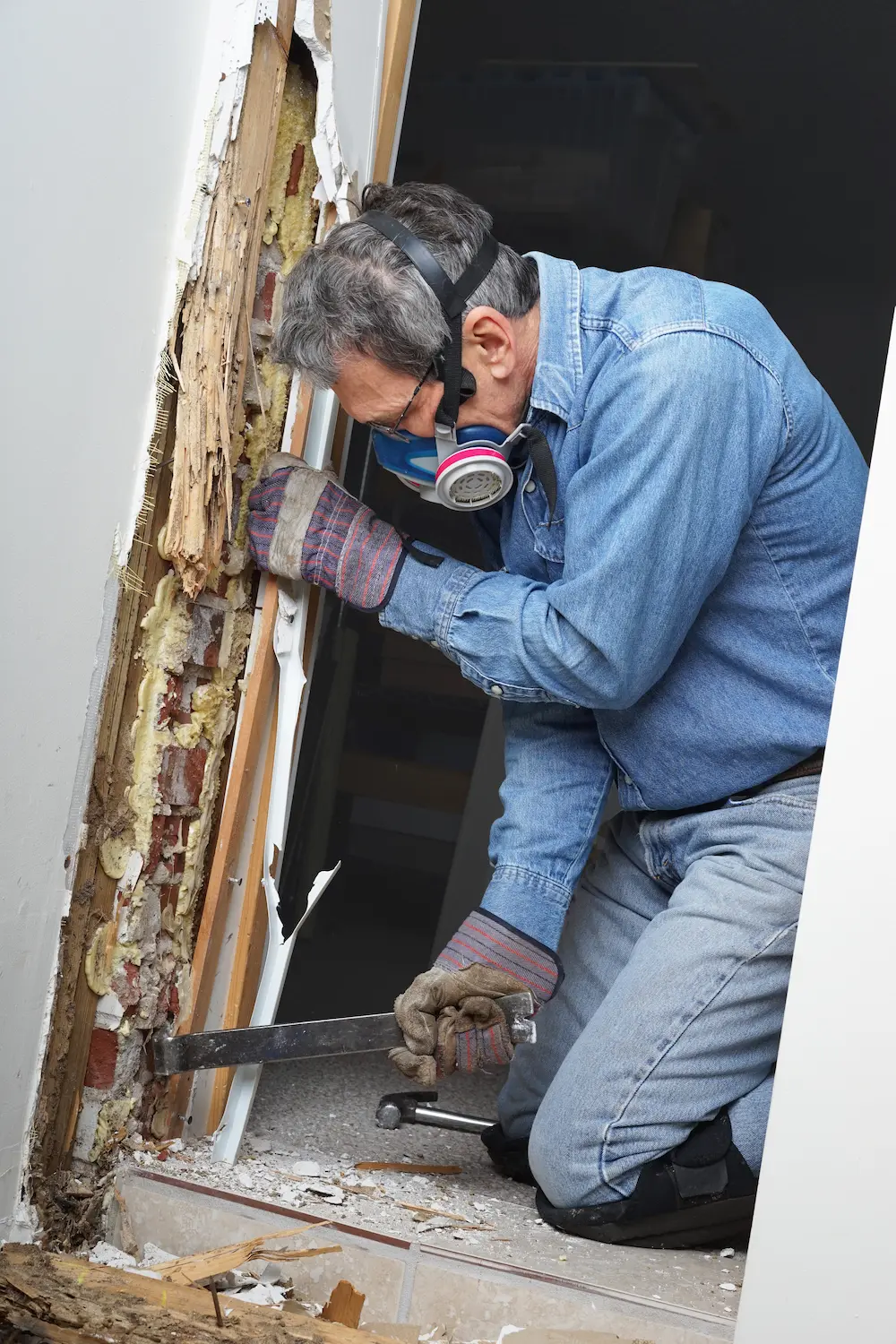
Termites are rarely a one-visit problem. A good treatment can stop active activity and protect the structure, but long-term success depends on what happens after the technician leaves. That is the part many property owners underestimate. They assume the hard work is done, then six months later a leaking hose bib, stacked firewood, or a flower bed built too high against the wall quietly creates the same conditions that attracted termites in the first place.
I have seen this pattern in both older homes and newer builds. The common thread is not neglect in the obvious sense. It is usually a series of small decisions that seem harmless on their own. A downspout drains too close to the foundation. Mulch is piled a little too deep. The crawl space vent stays blocked after winter. None of that looks dramatic, yet termites respond to moisture, shelter, and hidden access. If those conditions remain favorable, even the best Termite Control Services have to work harder than they should.
Maintaining results is less about fear and more about discipline. You do not need to turn your home into a laboratory. You do need to understand what weakens protection, what signs deserve attention, and how to support the treatment plan with practical upkeep.
Start by understanding what treatment was performed
This sounds basic, but many homeowners cannot say whether their home was treated with a liquid termiticide, a baiting system, localized wood treatment, or some combination of the three. That matters because the maintenance steps are slightly different.
With a liquid soil treatment, the protective zone around the structure is important. If you later disturb that soil during trenching, irrigation work, patio construction, or landscaping, you may create untreated gaps. I once walked a homeowner through a repeat issue where the original treatment had been done correctly, but a year later a contractor installed edging and dug along the foundation in several areas. Nobody informed the pest company, so those sections were never re-treated. The termites found the break quickly.
With bait systems, the stations need to remain accessible and undisturbed. They are not decorative objects, and they should not be buried under new sod or removed because they look inconvenient near a walkway. If a station goes missing or gets damaged by lawn equipment, the monitoring value drops immediately.
Localized wood treatments can be effective for specific situations, especially when the infestation is confined and the moisture issue has been corrected. But if underlying conditions remain favorable, spot treatment alone may not provide the wider protection a property needs. That is why maintenance always starts with clarity. Ask for your service report, read it, and keep it with your home records.
Moisture control does more to preserve results than most people realize
Termites do not need a flood. In many cases, they just need reliable dampness. A crawl space with chronically high humidity, a dripping condensate line, or a slow leak under a kitchen sink can support activity for a long time before visible damage appears.
When I inspect homes after treatment, moisture is often the first thing I revisit. It is usually more revealing than the wood itself. If baseboards feel cool and damp, if the crawl space smells earthy, if insulation in one section looks compressed and stained, there is usually a reason. The treatment may still be in place, but constant moisture invites pressure against that protection.
Pay close attention to the ordinary water sources that people learn to ignore. Gutters that overflow during heavy rain can saturate soil at the exact point where termites probe most often. Downspouts that dump water at the corner of the house are another common issue. In slab homes, poor grading can leave the perimeter wet for days after a storm. In crawl spaces, inadequate vapor barriers and blocked vents can keep humidity high enough to create a favorable environment even without standing water.
Indoor moisture counts too. Termites can exploit plumbing leaks around tubs, showers, dishwashers, and water heaters. In homes with laundry rooms on exterior walls, I have seen long-running dryer vent condensation create damp framing that was mistaken for a roof leak. The lesson is simple. Dry buildings are harder targets.
Keep wood and cellulose materials away from the structure
Homeowners often think only structural lumber matters. Termites are Termite Control Services less selective than that. They are attracted to cellulose, and that includes cardboard, paper-backed insulation, tree stumps, form boards left in soil, scrap lumber, and wood mulch packed tightly against siding.
One of the easiest maintenance wins is reducing direct wood-to-soil contact. Porch posts, stair stringers, lattice, fence pickets, and siding should not bridge untreated soil to the home. Even when the main structure is protected, those contact points can give termites a sheltered route that complicates control efforts.
Mulch deserves special mention because it is often misunderstood. Mulch does not create termites out of nowhere, and you do not need to ban it completely. But deep mulch holds moisture and can hide activity along the foundation. I prefer a modest layer and some visible clearance between mulch and the siding or weep holes. If you cannot see the lower edge of the wall, inspection becomes harder, and hidden shelter becomes easier.
Firewood storage is another classic trouble spot. I understand why people stack it near the back door, especially in winter. From a termite standpoint, that convenience can become an invitation. Wood piles should be elevated and kept well away from the structure. The same goes for leftover lumber from a renovation. A few boards leaning against the garage for “temporary” storage have a way of becoming permanent.
Landscaping can help or hurt your termite defense
Landscaping choices are often made for curb appeal, not pest management. That is fine, but the two should not work against each other. Dense groundcover against exterior walls, raised flower beds, decorative timbers, and irrigation set to soak the foundation can all weaken the conditions you are trying to maintain after treatment.
A healthy buffer around the home gives you visibility. When technicians return for inspection, they should be able to see foundation lines, slab edges, and entry points. If every exterior wall is buried behind shrubs, stone borders, and dense plantings, small issues become harder to catch early.
I once visited a property with beautiful landscaping and repeated termite concerns. The owner had done nearly everything right inside the house, but the irrigation system was running too frequently, and the planter beds had been built up so high that several weep holes were below grade. The termites were not impressed by the curb appeal. Once the soil level was corrected and watering was adjusted, the pressure around the structure changed noticeably.
This is one area where small design choices pay off over time. Leave inspection space. Avoid trapping moisture against walls. Use decorative elements that do not hide the very areas your pest professional needs to examine.
Respect the treated zone during repairs and renovations
Many post-treatment failures are not caused by termites outsmarting the treatment. They happen because a later project unknowingly disrupts it. New plumbing lines, foundation work, patio extensions, driveways, landscape lighting, sprinkler installation, and even tree planting can disturb treated soil.
If your home has had professional Termite Control Services, tell every contractor who works near the foundation. Do not assume they will ask. Most trades are focused on their own scope and schedule. A concrete crew may not think about termiticide placement. A landscaper may not realize that trenching a shallow border can matter.
This is especially important with slab homes. Penetrations through patios, garages, and utility areas can create routes that need special attention. In crawl space homes, replacing supports, skirting, or drainage components can change access and moisture patterns. None of this means you should avoid improvements. It means the pest company should be brought back in when work affects the protected area.
Routine inspections are cheaper than repairs
Termite damage can become expensive with surprising speed, especially in concealed framing. By the time paint blisters, floors soften, or a door begins to rack out of square, the activity may have been underway for quite a while. Annual inspections are the minimum standard I usually recommend, and in higher-risk properties, more frequent checks can make sense.
Risk is not identical from one building to the next. A home with a crawl space, mature landscaping, prior moisture issues, and heavy tree cover may need more attention than a well-drained slab home with good perimeter clearance. Regional pressure matters too. In warm, humid climates where subterranean termites are active much of the year, complacency is expensive.
A good inspection is not a formality. The inspector should be looking at moisture conditions, wood contact, previous activity, inaccessible areas, and any changes since the prior visit. If you have bait stations, they should be checked consistently and documented. If you have a warranty or service agreement, know what it covers and what your responsibilities are. Some agreements require annual renewal to remain valid. Missing that deadline can turn a manageable problem into an uninsured repair.
Know the subtle warning signs
People tend to look for dramatic evidence, but termites are usually quieter than that. The earliest clues are often easy to dismiss as cosmetic or seasonal.
Here are the signs I tell property owners to take seriously:
- Mud tubes on foundation walls, piers, or inside crawl spaces
- Soft, blistered, or hollow-sounding wood
- Swarmers or discarded wings near windows, doors, or light sources
- Paint or drywall changes that resemble minor moisture damage
- Tight-fitting doors or uneven floors that seem to change without an obvious cause
Any one of these signs deserves follow-up. Not every symptom points to termites, but each one is important enough to check. Swarmers are especially misunderstood. People sometimes clean them up and move on, assuming they came from outside. Sometimes they did. Sometimes they are telling you an active colony is much closer than you would like.
Do not ignore the crawl space or attic just because you rarely enter them
Out of sight is not the same as low risk. Crawl spaces are often the most revealing area in a termite case because they combine wood structure, limited visibility, and moisture potential. A torn vapor barrier, plumbing drip, blocked vent, or earth-to-wood contact under the floor can quietly undermine your protection.
Attics matter too, though termites are more commonly associated with lower levels. Moisture from roof leaks or poor ventilation can damage wood and create conditions that attract other pests, complicating diagnosis. In practice, a property benefits when all concealed spaces are part of the maintenance conversation, not just the obvious spots near the foundation.
If you are not comfortable entering these areas, that is reasonable. Many people are not. The point is to make sure somebody qualified looks at them regularly. I have seen too many cases where a homeowner maintained the visible parts of the house beautifully while a small leak in the crawl space fed a hidden problem for years.
Keep records like they matter, because they do
A surprisingly practical part of maintaining results is documentation. Save treatment reports, diagrams, warranties, inspection notes, moisture remediation invoices, and records of any construction near the foundation. If you sell the property, those records help the next owner understand what was done and what needs to continue. If there is a future issue, they help the pest company evaluate whether the problem is new activity, a treatment gap, or a condition change.
This is not glamorous advice, but it is useful. I have worked with homeowners who could describe their concerns clearly but had no idea when the last inspection took place or whether stations had been serviced. That slows everything down. Good records shorten decision time and reduce guesswork.
Seasonal habits make maintenance easier
Most termite problems are not solved by one heroic weekend of cleanup. They are prevented by steady, modest habits that fit the seasons. Spring is a good time to check drainage after heavy rain and look for swarmers. Summer is when irrigation practices can either support or sabotage the treated zone. Fall is ideal for clearing gutters and moving stored wood before wet weather sets in. Winter is often when hidden condensation and crawl space humidity become more noticeable.
If you want a simple annual routine, this is the one I recommend:
- Walk the exterior after major rain and note where water collects
- Check that mulch, soil, and plantings have not crept up against siding
- Inspect for leaks under sinks, around water heaters, and near exterior spigots
- Confirm bait stations are visible and undisturbed, if your system uses them
- Schedule a professional inspection before peak swarm season if possible
That routine takes far less time than structural repair work. It also shifts your mindset from reacting to damage to preserving the barrier you already paid for.
Be realistic about what treatment can and cannot do
A professional treatment is a strong line of defense, but it is not magic. It does not stop a roof leak. It does not regrade the yard. It does not remove scrap lumber from the crawl space. It does not keep every future contractor from disturbing the soil around your home.
That is why the best results usually come from coordination. The pest company handles the termite strategy. The homeowner manages conditions. Sometimes a plumber, roofer, drainage contractor, or landscaper has to fix the factor that keeps making the property attractive. When everyone does their part, the system works much better.
There are also edge cases worth mentioning. Homes built into slopes, properties with chronic drainage limitations, older additions with mixed construction methods, and structures with inaccessible voids can require more vigilance than average. In those cases, the right answer is not panic. It is a more tailored maintenance plan and closer communication with your provider.
When to call your termite professional sooner than scheduled
Annual service is not always enough. If you notice new moisture problems, foundation work, suspicious wood changes, or swarmer activity, call sooner. The same applies if you have had recent landscaping or construction near treated areas. Waiting to see if a problem “settles out” is rarely the economical choice.
I generally advise people to call when something changes, not just when damage becomes obvious. A leaking shower discovered and repaired in a week is a maintenance event. That same leak left hidden for six months can become a structural repair plus a termite risk. Timing matters.
Good providers usually prefer early calls. It is easier for them to verify a concern, re-treat a disturbed section, or document a non-termite issue than to investigate significant damage later. If you have a service agreement, using it promptly is part of getting the value you paid for.
The homes that stay protected usually share the same habits
After years of seeing both successful outcomes and avoidable repeat problems, the pattern is pretty clear. The homes that maintain results after Termite Control Services are not necessarily the newest or most expensive ones. They are the ones where owners stay attentive to moisture, preserve access for inspection, avoid disturbing treatment zones without notice, and respond quickly when something changes.
That standard is achievable for most properties. It does not require constant worry. It requires practical awareness. Keep water moving away from the structure. Keep wood and soil from making easy contact. Keep landscaping from hiding your foundation. Keep inspections on schedule. And when another contractor touches the perimeter of the home, make sure your pest professional knows.
Termite control works best when it is treated as part of building maintenance, not an isolated event. Once you see it that way, the steps become straightforward, and the results tend to last much longer.
Maximum Pest Control
836 NE 7th Terrace Suite #5
Cape Coral, FL 33909
+1 239-772-7363
FAQ About Termite Control Services
What are two signs of a termite infestation?
Mud tubes along a foundation and piles of shed wings near doors or windows are two signs to investigate. Mud tubes are associated with subterranean termites. A licensed inspector can identify the insect and assess whether there is active infestation.
How many years does a termite treatment last?
There is no single timeline for all treatments. The method, site conditions, and maintenance affect how long protection lasts. Bait systems rely on monitoring and service. Ask the provider for the recommended inspection schedule and the terms of any coverage.
Is Termite Treatment Expensive in Cape Coral?
Cost depends on the termite species, the size and construction of the property, the extent of activity, and the treatment method. Request a written estimate after inspection and ask whether monitoring, follow-up visits, and renewals are included.